
 Moshi, Tanzania
 +255 742 596 234
 generoustours@gmail.com





Overview
Why Kilimanjaro Is Different From a Normal Safari
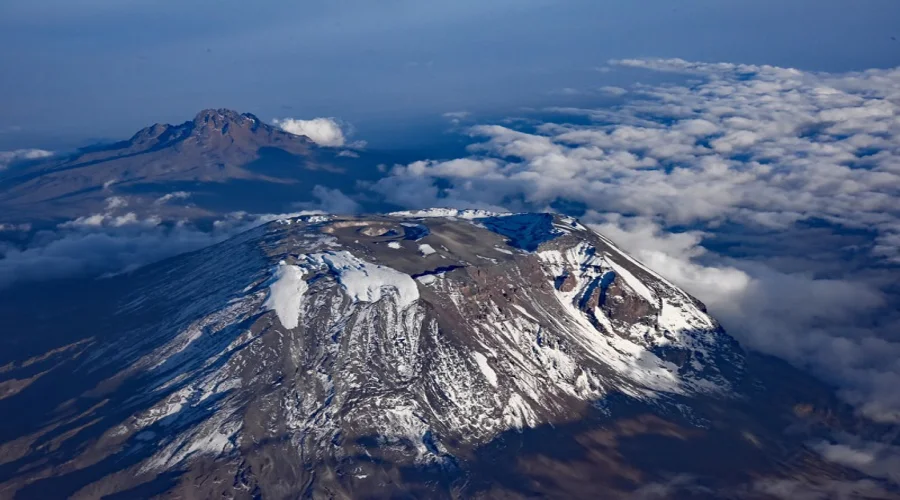
Kilimanjaro isn't a game drive add-on — it's a standalone physical challenge that takes five to nine days depending on the route. Success is less about fitness alone and more about pacing, hydration, and giving your body time to acclimatize as the air thins. Most reputable operators, including us, build in extra acclimatization days specifically to improve summit success rates.
Choosing Your Route
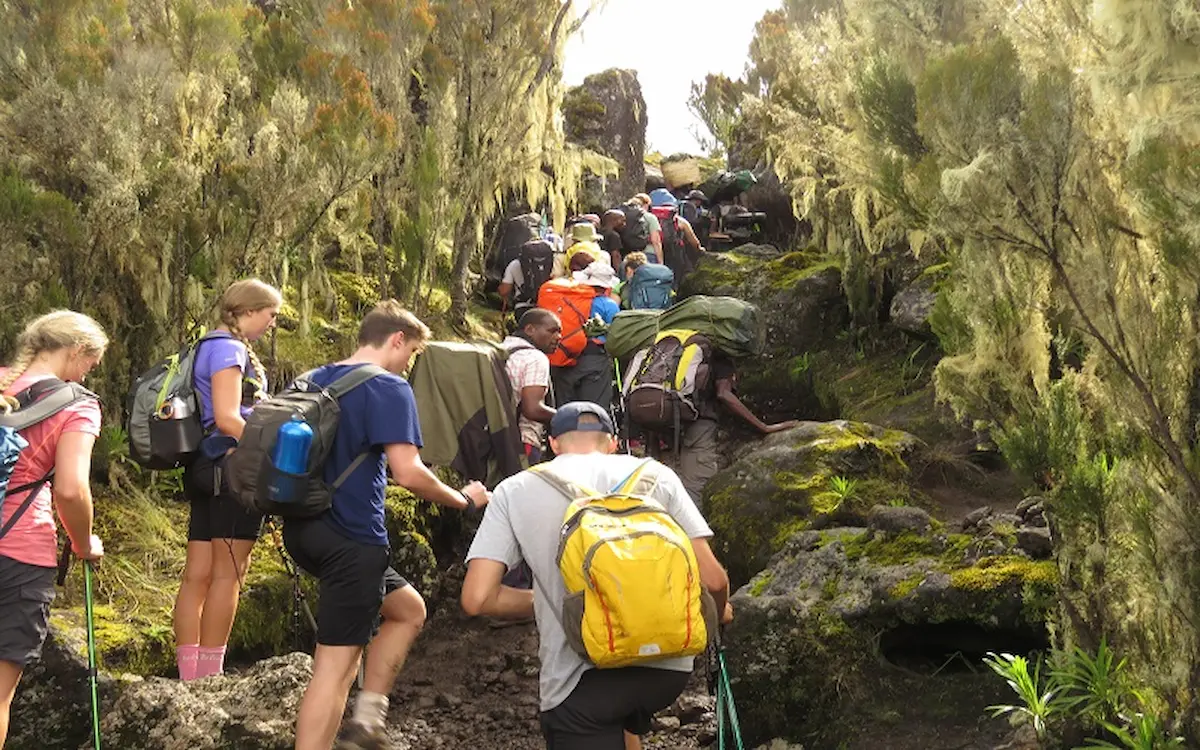
Machame ("Whiskey Route") is the most popular, offering strong scenery and better acclimatization over 6–7 days. Marangu ("Coca-Cola Route") is the only route with hut accommodation instead of tents, and slightly gentler, but its shorter standard itinerary means lower success rates. Lemosho and Northern Circuit routes are longer, less crowded, and give the best acclimatization profiles of all. Umbwe is the steepest and most direct, recommended only for experienced trekkers.
What It Actually Costs
Kilimanjaro fees are separate from standard safari park fees and are charged per person, per day. A standard 7-day Machame route in 2026 runs approximately $1,000–1,050 in park fees alone, excluding guides, porters, equipment, and crew tips. Total package prices — covering guides, porters, cook, camping gear, meals, and park fees — typically range from $2,200 for a budget group climb to $4,500+ for a private, longer-route expedition.
Best Time to Climb
The two dry windows — late June through October, and January through early March — offer the clearest skies and most stable trail conditions. January to March also brings colder summit-night temperatures but quieter trails. Avoid the long rains in April and May, when trails are slippery and visibility drops significantly.
Physical Preparation
You don't need mountaineering experience, but cardiovascular fitness matters enormously. We recommend building up hiking stamina for at least two to three months beforehand, including consecutive-day hikes to simulate multi-day exertion. Altitude affects everyone differently regardless of fitness level, which is why route choice and pacing matter as much as training.
What's Included in a Guided Climb
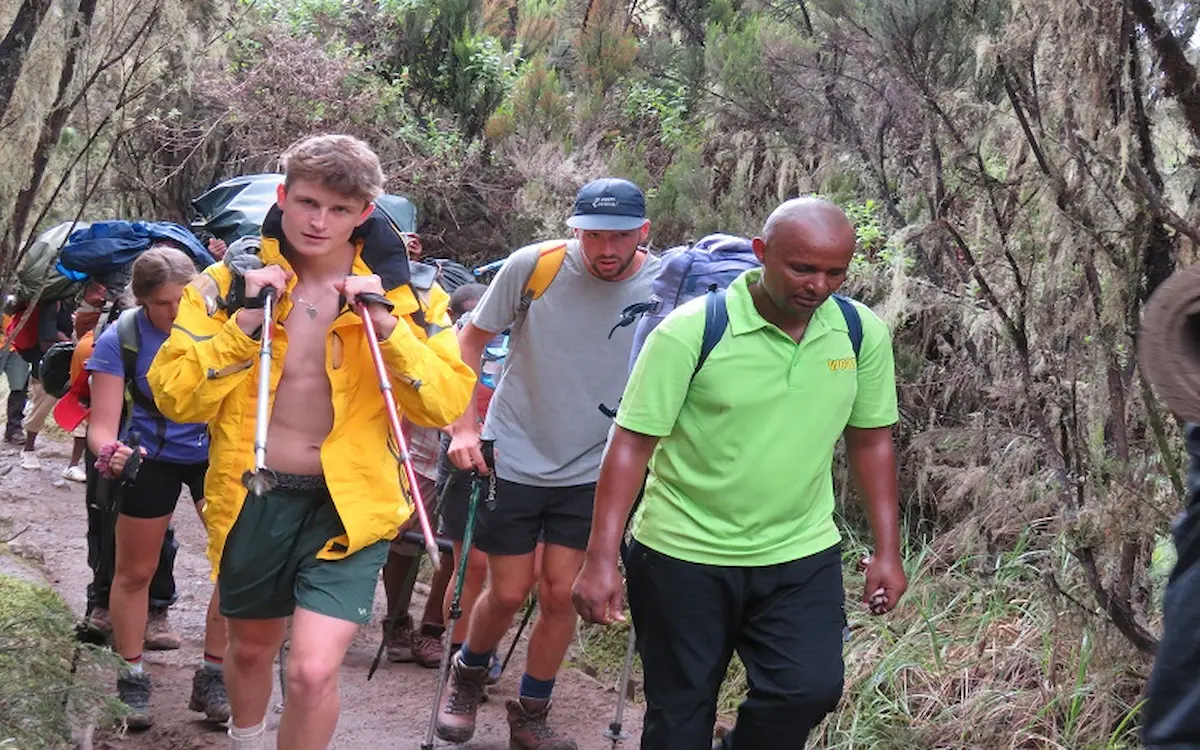
A full-service climb includes a certified guide, assistant guides, porters to carry camping equipment and food, a dedicated cook, all park fees and camping permits, and rescue fee coverage. Trekkers carry only a daypack with water, snacks, and layers for the day's changing conditions.
Summit Night
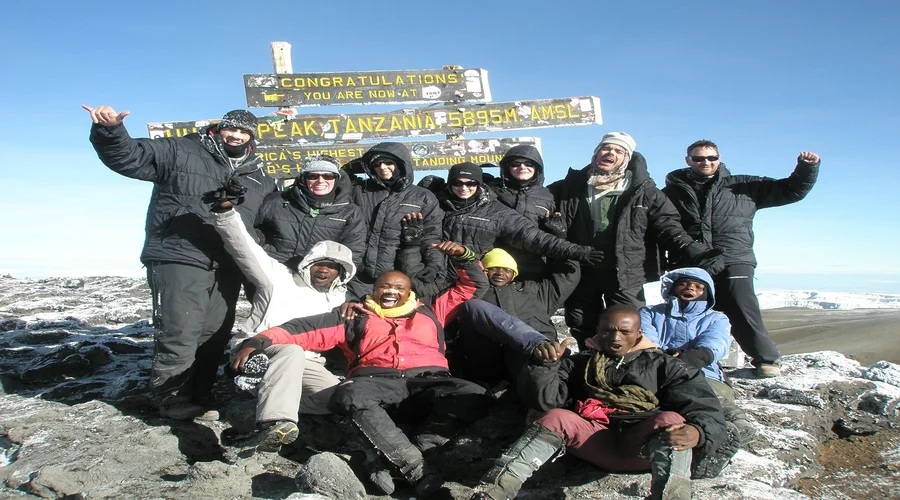
Regardless of route, the final ascent to Uhuru Peak begins around midnight to reach the summit by sunrise, timed to catch the safest snow conditions and avoid the sun softening the scree slopes later in the day. It's the hardest single stretch of the climb — cold, dark, and slow — followed by a long descent the same day.
Planning Your Climb With Us
We build Kilimanjaro climbs around your fitness level and available time, choosing routes with the acclimatization profile that gives you the best realistic shot at the summit — not just the shortest, cheapest itinerary.
Watch the Adventure
Photo Gallery
Tour Location & Route Map
Activities Included
Best Time to Visit
| Month | Season | Highlights | Status |
|---|---|---|---|
| January – March | Dry, colder summit nights | Clear skies, quieter trails | Best |
| April – May | Long rains | Slippery trails, reduced visibility | Quiet Season |
| June – October | Main dry season | Most stable conditions, highest trail traffic | Peak Season |
| November – December | Short rains | Transitional, generally passable with proper gear | Best |
Pricing & Packages
- Certified guide and porters
- Camping/hut equipment included
- All park fees and permits
- Full board meals on trail
- Private guide and support crew
- Flexible daily pace
- All park fees and permits
- Full board meals on trail
- 8–9 day extended route
- Maximum acclimatization days
- Private guide and crew
- Priority rescue fee coverage